Monday, 27 April 2009

Lady Gaga Image


I researched various images, using the internet, to find an image that would be suitable to replicate for my magazine. I found this picture of Lady Gaga, which I think would look good as a front cover image, as it is edgy, yet still represents pop/dance music, which is the sub genre of my magazine. Therefore I will take photographs of someone in a similar pose to this, to get the same effect.

Thursday, 23 April 2009

Examples Of Interview Questions

1. What type of band are you?
2. Tell us the brief history of your band.
3. Who are your musical and non-musical influences?
4. What are your dreams and goals?
5. Who writes the songs, what are they about?
6. How do you promote your band and shows?
7. What do you think about downloading music online?
8. What's your outlook on the record industry today?
9. What's your claim to fame?
10. Tell us a story about a day in your life.
11. What inspires you to do what you do?
12. What advice would you give to fellow bands?
13. What are some of your pet peeves?
14. How does music affect you and the world around you?
15. What's new in the recording of your music?
16. What are the biggest obstacles for bands?
17. What's the best and worst thing about playing clubs?
18. Tell us about your next shows and why we should be there.

Wednesday, 22 April 2009

Examples Of Articles

Q Magazine

Lily Allen- April 2009
"My boobs keep falling out!" Two and a half years after her debut Alright, Still Lily Allen's free-spirited attitude remains fully intact. Q spends a whirlwind press-day with Lily dodging paparazzi and talking older men, lap dancers and of course, Barack Obama.

The Killers- March 2009
Three albums in and the band are at the top of their game. Q cruises round Las Vegas with the band talking Zen, Mormonism and, ahem, Dire Straits. Then thrashing the living daylights out of a Cadillac in the Nevada desert.

Exanple Of An Interview

Katy Perry interview- Published on February 6, 2008

What’s been going on lately?
I’m just starting the New Year, you know. The stars are aligning for Katy Perry in 2008. I’ve been working on my record since I was eighteen years old. I’ve gone through two record labels and written between sixty-five and seventy songs, and now it’s ready to come out. It’s been a long trip. I’ve had lots of money, lost lots of money, but the record’s here and it’s the right one.

What can we expect from the album?

UR So Gay was a soft hello. It wasn’t meant to be a big single or show what the album is going to be all about. That was for my Internet bloggers, so I’m not coming out of nowhere. UR So Gay was meant to be an introduction and a background. The album will have a lot of the same characteristics, though. There will be lots of storytelling, because lyrics are important to me. There are a few songs that will make you cry, but there are others to make you dance and sing. Every song is on the album for a specific reason.

What do most people not know about recording an album?
One of the unique things about me recording is that I like to put down the vocal track with all the lights off in the studio. If I remember the lyrics, I don’t want anything to get in the way.I want to be a voice in the darkness. That’s not weird is it? It’s not like I’m naked or anything.

Do you prefer to be recording or playing live?
I guess I prefer to play live, but I don’t want to have only live CDs. I like playing live because there are alot of things that can happen. I can interact with the audience and say some things to get me in trouble. On the other hand, the studio is nice because you can really take your time and make something that you know is the best thing that you can ever do. But nothing beats being up on stage in front of all that energy.

Give me an awesome tour story, then.
There was the Silly String incident. I was playing a concert and I decided that I wanted a beach theme. No particular reason, I’m just fun like that. The band entered to “Wipe Out” and everybody was wearing their bathing suits. I should mention at this point that we were doing this show for Garnier Fructis hair-care products, and they’ve spent like an hour and a half getting my hair just right. So I’m out there in my bathing suit with my awesome hair and I have some Silly String. I don’t know why I have the silly string, of course. It’s just kind of fun. So I point it at the audience and try to spray them. Only instead of spraying it at the audience I had thecan backward and sprayed it all over my awesome hair. Everybody thought that was pretty funny. Except maybe the hair people, I guess.

Do you have conscious influences? Do you ever say like, ‘I’m going to try to write a song that sounds like Prince today?
Yeah. I’m a huge fan of Freddie Mercury. I’m a fan of lots of music, but he was a turning point. I wasn’t allowed to listen to secular music when I was kid, but there was a time when I was hanging out at my friend’s house. We’re trying on all our outfits, like girls do, and out of nowhere I heard the lyrics to “Killer Queen.” Time stood still. The music was totally different from anything I’d heard. I still love Freddie Mercury. He was flamboyant with atwist of the operatic, but more importantly he just didn’t give a fuck.And then there was Alanis Morrisette. Jagged Little Pill was huge for me. One of the vivid memories of my childhood is swinging on the swing set singing "Ironic" at the top of my lungs. I went to Christian school, so I got into a little trouble for that one.

How did you come across “Use Your Love”?
There were a couple of choices in the pile for covers. I actually wanted to do a Queen cover, but there wasn’t anything they would play in the club. So I’m back to square one, and I go out dancing with my girls. “Use Your Love,” the original version by the Outfield, comes on, and immediately every girl hits the dance floor. Everybody’s out there dancing and trying to hit these notes. It was the best time, and I wanted to capture that on the UR So Gay.

Do you think that UR So Gay enforces a negative stereotype?
Every time I play that song, everybody has come back laughing. I’m not the type of person who walks around calling everything gay. That song is about a specific guy that I used to date and specific issues that he had. The song is about my ex wearing guyliner and taking emo pictures of himself in the bathroom mirror. The listeners have to read the context of the song and decide for themselves.

Why should people seek out Katy Perry?
That’s a hard question. Nobody likes to brag. If you’re forcing me, though, I think people should check out my music it’s fun and funny, and I actually sing them live. I think that my music makes pop-music cool again.

Double Page Spread- Draft


This is the draft for the double page spread of my magazine. I researched various music magazines, using the influence of NME and Kerrang magazine to create my draft. I looked at the generic elements of their double page spreads, including the type of layout, images, sell lines, lead, drop capitals, banners and house style, which I have continued throughout my magazine.

Contents Page- Draft


I have produced this draft of my contents page for my music magazine by looking at real magazines for ideas about the type of layout, house style and images I should use. I have kept a white background to follow the theme of my front cover. I will take photographs similar to the ones I have used here, to get the same effect.

Tuesday, 21 April 2009

Front Cover- Draft


This is the front cover draft for my music magazine. I have used several magazines, including mixmag and mainly blender for inspiration and ideas about the generic elements of a music magazine, such as the type of masthead, fonts, mode of address, sell lines, banners and house style. I have kept a house style of using only purple and black against a white background, and used the same font throughout which is 'myriad condensed web' to keep it looking professional.

Sunday, 19 April 2009

Treatment

SERENE
Stacey Duty, Sheridan Ward, Alisha Flintham, Nicola Scally, Deanne Wright

I am creating a front cover, contents page and double page spread of a music magazine based on the sub genre Pop/Dance, using inspiration such as masthead, layout, house style, articles and images, from real music magazines which have a similar sub genre to mine.
My magazine will be aimed at teenagers and young adults, aged from 14-25. It will be aimed at girls as it will include some features that are feminine such as feminine colours and type of house style. The magazine will have a niche target audience as the sub genre is specific, so will only appeal to people who enjoy that type of music.
As my magazine will be a Pop/Dance music magazine, the photo’s I take will look energetic and fun and will represent music in this way. For the front cover image, I will take a medium close up of a friend turning her head to the camera and laughing as if she is having a good time. She will be wearing a bright coloured top with her hair down and straight, to give an energetic and vibrant look. This image will portray an ideal self, for the target audience of which is girls. For the contents page, I will take a photograph of a group of girls who are in a band. They will be at one of their gigs, dressed up, with their hair and make up done, wearing party clothing and looking glamorous. I will also take a photograph of a dancefloor inside a club, which will signify a kind of rave. For the double page spread I will take 3 separate photographs of a friend, which will replicate images of Kelly Clarkson that I found. She will be wearing black leggings, a plain white top and black jacket, as this will give a modern and dance- style look and also this worked well for the photos of Kelly Clarkson. She will be holding a microphone in all of the shots to symbolise that she is a music artist. They will both be action looking shots, which will portray my Pop/Dance music sub genre.
I will interview my friend, for my main article, asking questions about her new success in music, with her new album etc, and how her lifestyle has changed. However this will not be real and she will make the answers up as she is not a real singer. For ideas on how to present the interview and rest of the article, I research different music magazines, looking at the double page spread, including the choice of layout and style, for inspiration on how to create mine.
To keep the photo shoot’s safe, ensuring there won’t be any possible health and safety risks, I will take the front cover and double page spread photos in the media room M236, where there will be a blank backdrop and required equipment such as the lights and cameras. Incase of anything going wrong, the nearest First Aider is Vicky Rowntree in M138 or one of the Sports Staff in SD3 or in the event of a fire, the evacuation assembly point in the event of fire or other emergency is the Front Football Pitch.

5 Rules Of Photography

1. No cluttered backgrounds (as this can make it look to busy and will put readers off as it will be difficult to read)

2. Make sure you focus on the lead singer if it is a band shot so the audience KNOW who they are!
• If it is a single artist make sure it is a medium shot – close up.
•A ¾ image may be good, not centred.

3. Leave room for a masthead. (Make sure it is clear to read and nothing is covering parts of it, such as the main image)

4. No high angle shots – they make bad cover images! Fine for double page spread but really poor on covers.

5. Animate your band – make sure they look at the camera! (This appeals to the reader and grabs their attention)

Photo Examples


I researched different images that are used on real music magazines, to give me ideas on what type of photographs to take for my magazine. As the sub genre for my magazine is Pop/Dance, the photo's I take should reflect this, and look energetic and fun, whilst obviously representing music. I found these images of Kelly Clarkson which I think are ideal examples to use for my magazine as they are action shots, which ties in with my sub genre well. They also look modern, which is perfect for my target audience. She looks like a successful artist, which would help my magazine look more realistic and professional, whilst also fitting in with the main article that will be on the double page spread of my magazine. I will therefore focus on these images when taking my own photographs to use for my magazine.

Magazine Research- Double Page Spread


I have researched different double page spreads of real music magazines of a similar sub genre to the one I will use for my magazine, to give me an idea of what type of house styles, layouts, sell-lines, articles and images are used. I really like the layout of the first magazine as it is simple and modern looking, using a plain white background and black writing in contrast. I like the font style of the title and how it is big and bold, to make it stand out. There is a short introductory paragraph of the article below, in bold writing, which I think works well as it gives the reader an insight of what the article will be about. I will therefore use a similar layout for the double page spread of my magazine. Although I like the image next to the article as it is edgy and unique and also contemporary looking, I will use smaller images on my double page spread, but in a similar way. I like the way the second magazine is set out like an interview, in 3 columns, with questions in bold writing to stand out, and answers below. I also like the sell-line in the middle of the text as it makes the page look more exciting and will appeal to reader’s, making them want to read the article. I will create my article in a similar sort of way, as I think this works well. I like the layout of the next magazine, with a large image of a band on one side of the page and the article on the next, as I think this looks effective and states the importance of the band. The bold title and sell-line are eye catching and striking, which encourages me to create the double page spread of my magazine in a similar style.

Magazine Research- Contents page


To give me ideas of the generic elements used in contents pages of real music magazines, I researched several different magazines. I found a variety, which were all different from each other in the types of Mastheads, house styles, font styles and layouts used. I chose these 3 contents pages from the magazines Q and NME, which are both mainstream so could be used for my magazine. They all have similar layouts, which each look eye catching and exciting, yet reader friendly. I like the simplicity of the middle and right hand side magazines as they are easy to follow in the way they are set out with bold headings, sell- lines, page numbers and separate columns. They each have a large image of a band or artist, with a short preview article below, which is there to grab the reader’s attention and make them want to read on. I will set out my contents page in a similar way as I think this works well and would be successful for my magazine. I like the bright colours of the left hand side magazine as they are vibrant and feminine, which is ideal for my target audience and fits the Pop/Dance sub genre that my magazine will be based around. I will therefore use similar colours for my contents page.

Magazine Research- Front Cover


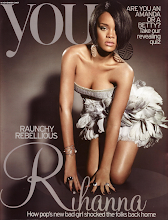
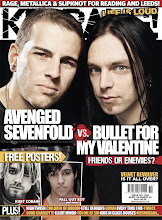
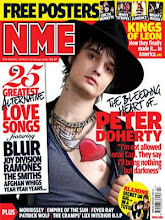
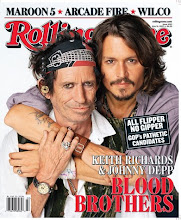
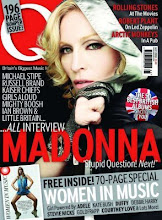
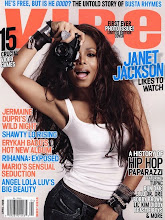
I researched a variety of different music magazines, with a similar sub genre to the Pop/Dance sub genre of my magazine, to give me ideas and inspiration on the masthead, house style, font styles, banners, articles and strap-lines used in real music magazines. I found these 2 magazines which I think all suit the type of magazine I am doing, and I could use as guides when creating my magazine, to help me achieve a professional look. I like the layout and house style of the ‘blender’ magazine as it is simple, yet effective. The colours used are feminine, yet could still be aimed at a male audience, which is ideal for my target audience. The different sized fonts give it an edgy, yet exciting look, which would grab the reader’s attention. It also gives it an energetic feel, which ties in with my Pop/Dance genre. I will therefore create my magazine in a similar way. The Masthead of the ‘mixmag’ magazine is bold and looks as if it is aimed at teenagers, as it is modern and fun looking, which is the effect I want to achieve from my magazine. I will make my Masthead to look like this one as I think this works well.

Chosen Font

Looking at the 3 different types of the 'Sansation font', I like the bold one the most. I think the font suits my Pop/Dance genre as it is rounded and bubble like, which will also make it stand out as a Masthead, to help catch the reader's eye. I will therefore use a similar font for the Masthead and main writing on my magazine, as I think this will work well.


Possible Fonts

Analysis Of Fonts

I researched a variety of fonts to give me ideas of the fonts I could potentially use for the Masthead of my magazine and other writing on the cover, contents and double page spread. I looked on the website dafont.com and found several fonts which I liked and thought suited the genre of my music magazine and target audience. Although the 'Starguides' and 'New facebook' fonts are both exciting and unique, I think that they are too fussy to use for the masthead and writing and they would make the magazine too cluttered and busy to look at. I really liked both the 'Cheri' fonts, but I think they are too feminine which would limit my target audience, as it could put off some males. I think both the 'Rounded' and 'Geo Sans Light' font are modern looking, which would suit my target audience as they will be young, however I dont think they would stand out enough to grab the readers attention. The font I like the most is the 'Sansation' font as it is simple, yet modern. However I dont know whether the light, regular or bold version of the font would be best. I will therefore enter my 'Serene' title in each of the fonts to give me a better idea of which would be most successful.

Examples Of Fonts


Analysis Of Feedback

After posting my 3 possible ideas for my music magazine, I asked a few people, including my teacher for feedback on my ideas, to look at them and comment on which they liked the best or the least. I did this to give me more than one perspective, to help me decide which would be the most successful idea to use for my final magazine. The comments I recieved were positive overall. The idea which seemed most popular was the Pop/Dance genre music magazine idea, however most people liked the name 'Serene' to use as the title. Therefore I will create my music magazine, based around my 2nd idea. The target audience for my magazine will be teenagers- young adults, aged from 14-25. The magazine will be aimed at girls, and a niche audience as the sub genre of the magazine will be Pop/Dance. The title of the magazine will be 'Serene' and the main image on the front cover will be a medium close up of a glamorous girl that appears to be smiling or laughing and having fun, which will represent the sub genre and target audience. The main article for the magazine will include the girl on the front cover, being 'revealed', and will be based around her new success in music and her lifestyle, as this signifies an ideal self for girls. Other articles and ideas for other contents will include tour dates, free giveaways, and a range of artists and bands to interest the readers.

Glossary Of Magazine Terms

Masthead – The name and logo of the magazine.

The Lead – the introductory paragraph of an article. Usually written in bold or capitals. Body copy refers to the text of your written articles, which should be produced as a printed presentation to accepted industry standards, e.g. correct use of language, font size, word limits etc. Usually written in columns.

Serif font – fonts like Times New Roman, or Baskerville Old Face, which have little bars (serifs) on the end of the letters.

Sans serif font – fonts like Impact, or Agency FB, which do not have little bars (serifs) on the end of the letters.

Drop Capitals – Really big letter, which start off an article.

Cross Head – Small sub-heading used to split up a large block of text.

White Space – white parts of a page other than text or pictures.

Mode Of Address – How the magazine talks to the audience.

Sell Lines – Text on the cover that helps to sell the magazine to the audience. Kerrang!’s sell line is “life is loud”.

Banners – text, which stands out because its on a coloured background.

House Style – a magazines distinctive design that distinguishes it from its competitors.

Borders – the gaps at the edges of the page.

Gutters – the gaps between the columns of text.

Leading - the space between lines of text.

Kerning - the space between letters.

Strap Lines – a smaller headline, printed above the main headline.

By-lines - name of the person who wrote the article.

Picture Credits - where did the photos come from, or who took them.

Anchorage – The way in which text helps to pin down the meaning of a picture and visa versa.