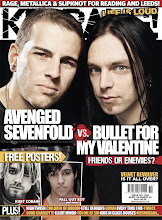
The two main companies that dominate the UK magazine market are Bauer and IPC Media, which are German multinational cross media companies. They each produce a wide variety of magazines, including music magazines. Bauer is an independent company, who owns the music magazines Mojo, Kerrang and Q. These all have different sub genres and therefore are all aimed at different audiences. Mojo and Kerrang are both aimed at niche audiences as they are aimed specifically at a certain age group or type of person. Mojo is a classic rock magazine, aimed mainly at adults with a playlist ranging from the 60’s to the 80’s. Kerrang is a magazine based around heavy metal, which is aimed at teenagers or young adults, for its controversial themes.
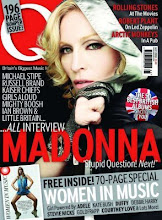
Whereas Q is a general magazine, produced monthly, which is aimed at a mainstream audience. Much of the magazine is devoted to interviews with popular musical artists.
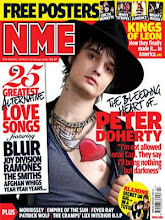
IPC Media is part of the American Time Warner group conglomerate, owning the music magazines NME, Uncut and Guitar & Bass. Each of these are aimed at niche audiences. NME is a weekly, general contemporary music magazine for teenagers and young adults. Uncut is monthly magazine aimed mainly at adults. It celebrates rock music and film and often produces themed spin-off titles celebrating the career of one artist. Guitar & bass is a music magazine aimed specifically at serious guitarists as it includes guitar tests, playing techniques, an exclusive bass section and in-depth features on guitar heroes past, present and future.
Every magazine has their own individual demographic readership, which is the amount of people that read the magazine, and circulation figures, which is the total number of people who buy the magazine, both depending on how popular the magazine is. I will look at the following 3 magazines owned by Bauer, focusing on each of their demographic readerships and circulation figures, along with their target audience.
Kerrang has a total circulation figure of 52,272, however this does not reflect its demographic readership as this would be considerably higher. Mojo has a much higher circulation figure of 100,507, only 55,610 of which is from the UK and the Republic of Ireland, showing that the magazine is more internationally based and is more popular with other countries around the world. Q had the highest circulation figure with 103,017, which is mainly due to its target audience being adults who have the money to spend on magazines.
Each magazine has a demographic reader in mind, which is the target audience for that particular magazine.
Kerrang is aimed at teenagers and young adults aged 14-25. This is shown through their choice of main images and articles, involving rockstar icons, adverts and free posters and giveaways. Mojo is targeted at older people aged at 35 +, as has a sub genre of classic rock, which is stereotyped with adults. It also shows images on the front cover of bands from the 60’s, 70’s and 80’s such as The Beatles and Blondie. Q is aimed at a mainstream audience, from the age 18-45 as it is a general magazine. This is shown through the variety of artists and articles it portrays, such as Madonna, Kylie and Bob Dylan.
I will now look at the demographic readerships, circulation figures and target audiences of 3 different music magazines that are all owned by IPC Media.
Guitar & Bass has a small total circulation figure of only 6,771, showing it isn’t a particularly popular magazine. This is due to its niche audience, limiting the number of people that may be interested in it. Uncut has a much higher total circulation figure of 87,069, due to it been aimed mainly at adults, who have the money to buy magazines. NME has a total circulation figure of 48,459, which isn’t a true reflection of how many people like the magazine as it is targeted mainly at teenagers and young adults who tend to read their friends magazines that have been passed on, rather than buy them their selves.
Uncut has a mainstream audience but is aimed mainly at adults as it focuses on all that is great in rock and film, both new and old, cult and classic, which we associate with older people. This is portrayed through the variety of older artists and bands it shows, including U2 and Oasis. Guitar & Bass is aimed at a niche audience as it is specifically based on rock music. It is therefore targeted at older people, as this type of music is most associated with them, rather than teenagers or young adults. This is shown through the front cover images of mainly guitars and the related articles that feature rock type bands. NME is aimed at a mainstream audience, but mainly teenagers and young adults. It is a general magazine as it portrays a wide genre of music, including pop and indie. We can see this through the fashionable and groomed looking bands and artists on the front cover and also the free giveaways, posters and competitions, which would appeal to younger people.
Both the companies Bauer and IPC Media use the process of synergy, in which different type of media join together to help promote and sell their brands.
Kerrang magazine, owned by Bauer, uses various types of media which work together in advertising their product. For example Kerrang has its own music channel, radio station, album releases, festival, awards and tour, as well as their magazine. These all contribute in promoting Kerrang and therefore achieving more money for the company. Mojo, along with its own magazine, has its own music channel, produces its own album, and hosts various shows and tours and also Mojo music awards. These different types of media all work together in successfully promoting Mojo. Q magazine similarly uses different types of media, in the process of synergy, to help sell their brands. This includes their own music channel, music awards and music album ‘Q The Album 2008’, which was recently released.
Guitar & Bass, owned by IPC Media, uses different types of media to help promote their product, such as their own magazine and website. Uncut also has its own website, along with the magazine, which helps advertise and sell their product in a similar way. NME uses the process of synergy to promote their brand. Along with their magazine, they also have their own radio station, music awards, tours including the NME Radar Tour, mobile phone set up, and music channel, which all work together to help sell their product.

Subscribe to:
Post Comments (Atom)


No comments:
Post a Comment